Air-driven hydraulic pump
 Bearing splitter set
 Electric hydraulic pump
 Handheld induction heaters
 Handheld meter
 Hydraulic accessories
 Hydraulic bottle jack - TOE
 Hydraulic Cylinders
 Hydraulic flange spreader
 Hydraulic hand pumps
 Hydraulic lifting
 Hydraulic Nut Splitters
 Hydraulic nuts
 Hydraulic presses
 Hydraulic puller accessories
 Hydraulic pullers
 Hydraulic spreaders
Induction heater accessories
Hydraulic spreaders
Induction heater accessories
 Lubrication Systems
 Manual pullers
 Middle Frequency Heater
 perma Accessoties
 Schaeffler Impact
 Schaeffler Induction
 Schaeffler MP50 expanders
 Shaft Alignment
 Shims sets
 Ultra high pressure pump
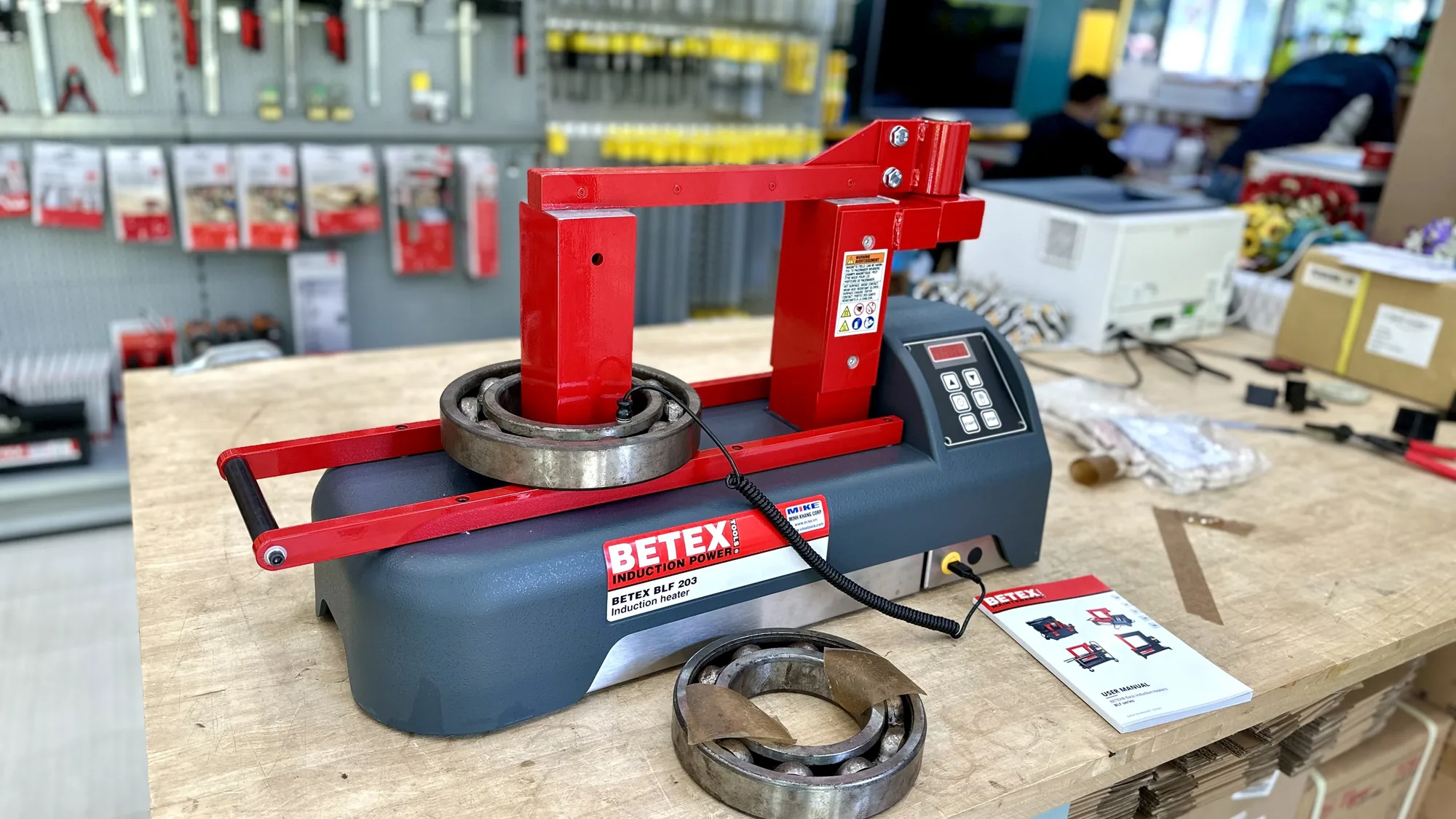
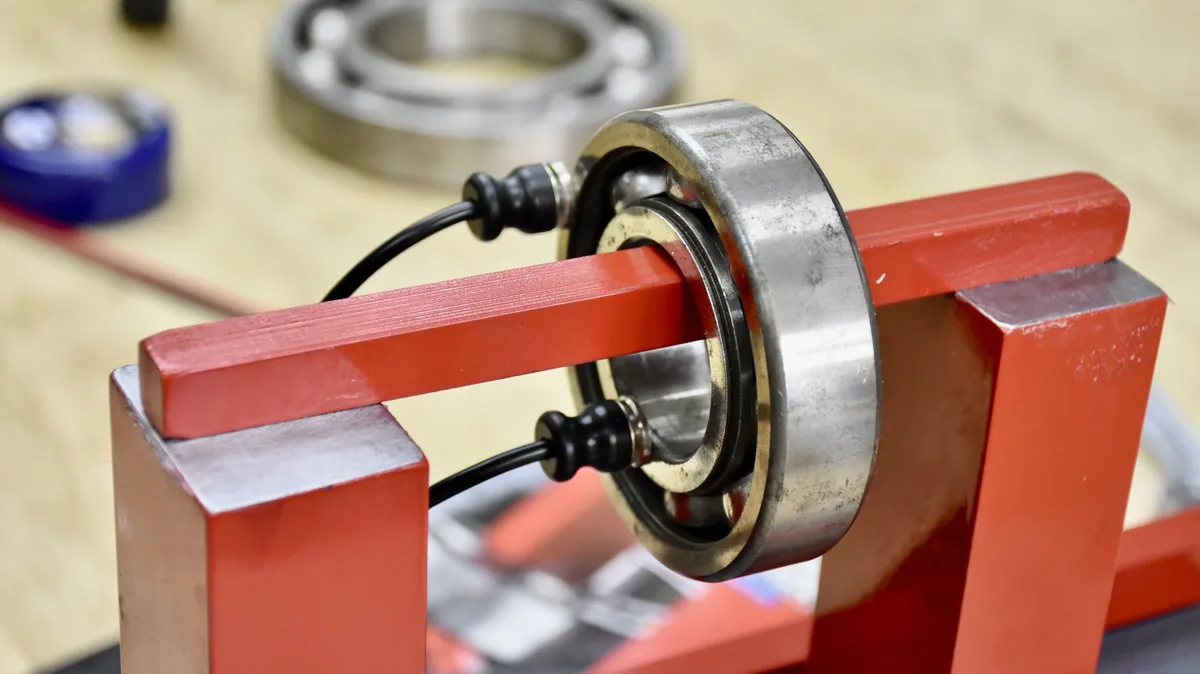
Bearing induction heaters serve the mounting and maintenance of bearings and gears. They are also used for sprockets and bushings. They apply as well to many other mechanical components in industrial environments. Induction heating reduces mechanical force during the operation. This approach supports accuracy during assembly. It also assists mounting and dismounting of workpieces with tight tolerances.
This equipment group covers a wide range. Portable models rated 725W suit small bearings. Stationary 40kVA units handle parts weighing up to 1600kg. Manufacturers such as Schaeffler offer the Basic and Smart ranges with outside diameters from Ø180mm to Ø1700mm and supply voltages from 120V to 600V depending on the market. Betex supplies genuine models 24 XLDi, BLF 200, BLF 208 and SLF 302 with warranty, technical support and clear origin from the manufacturer.
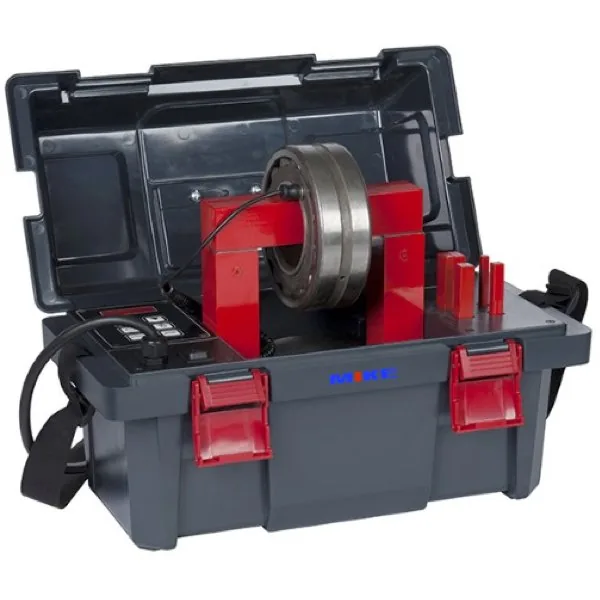
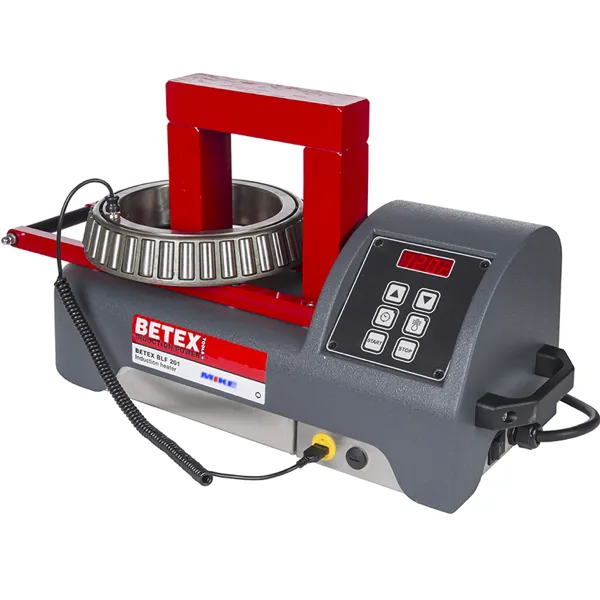


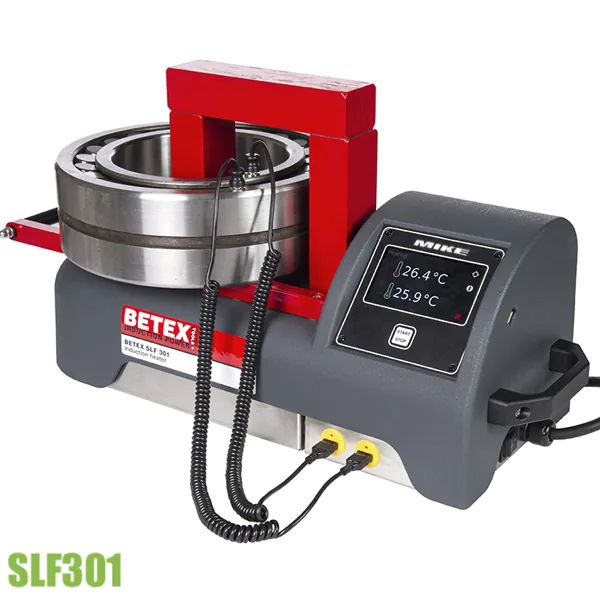

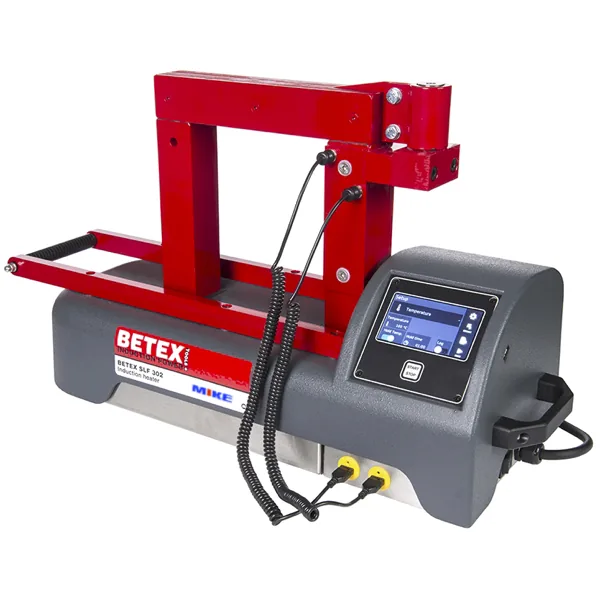
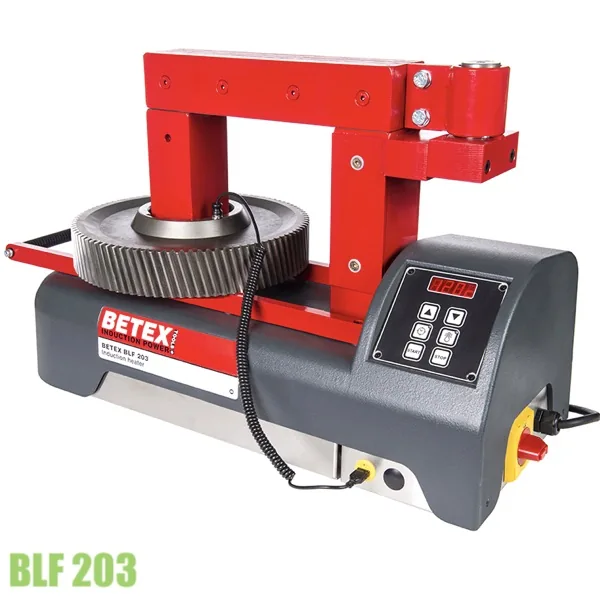
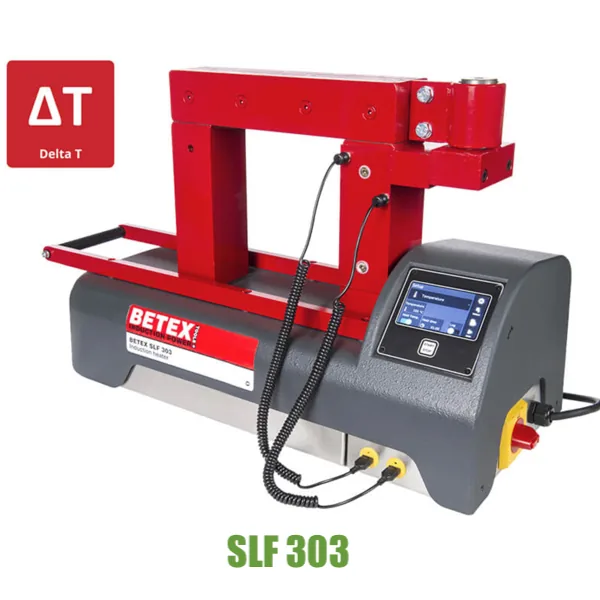
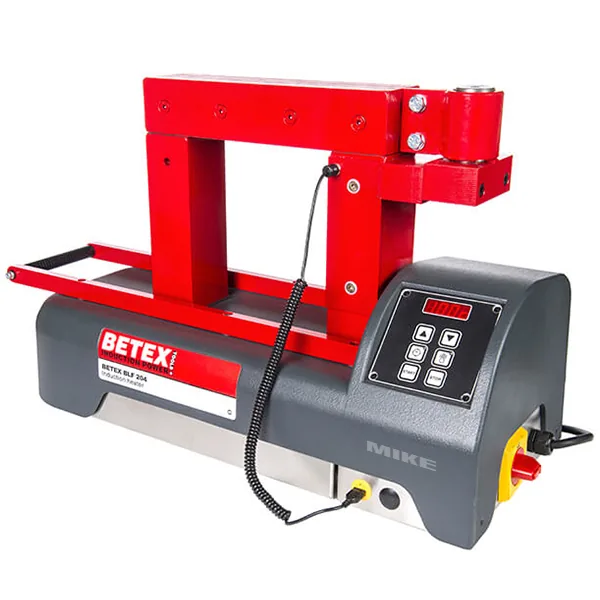
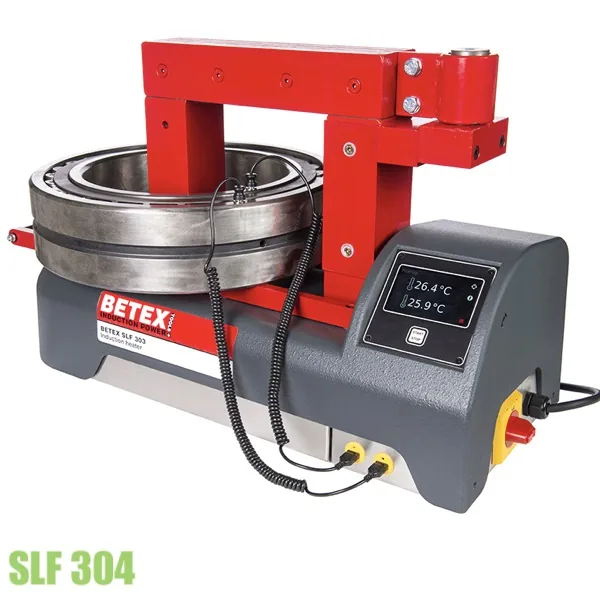
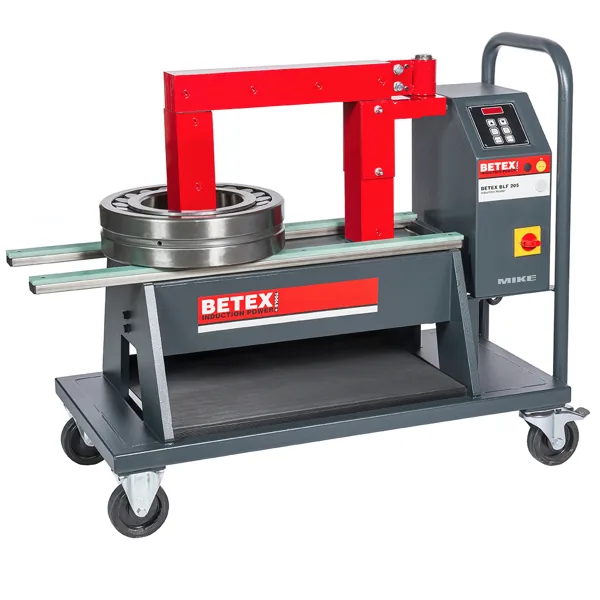
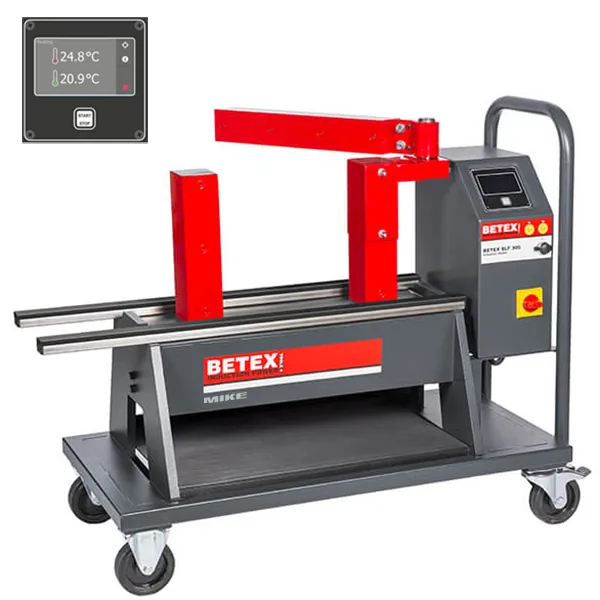
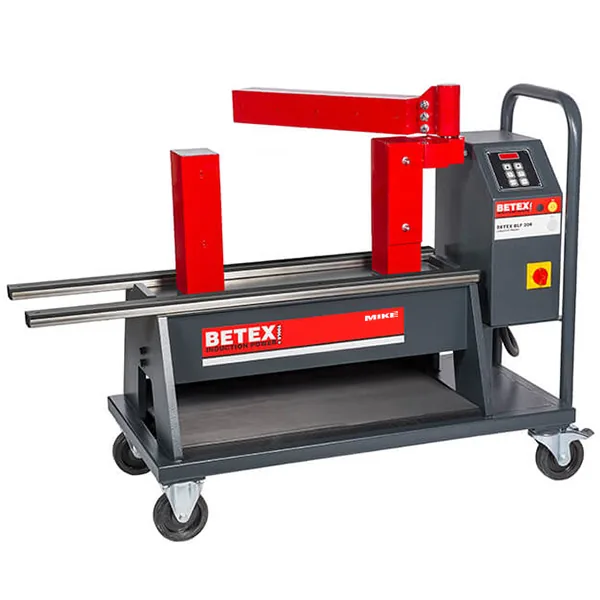
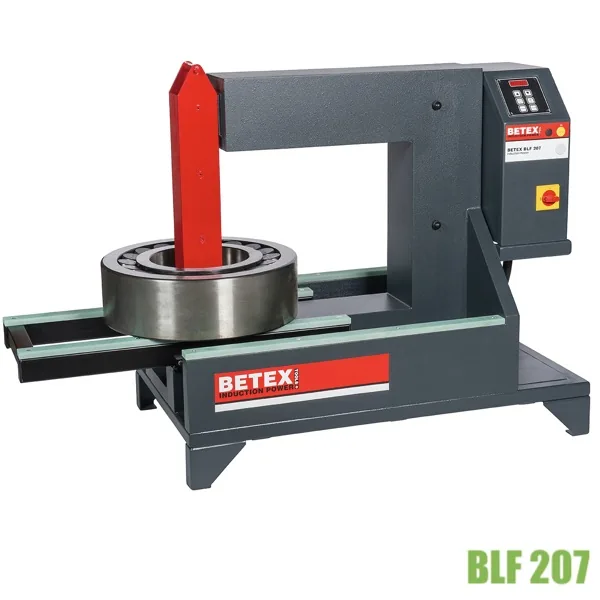
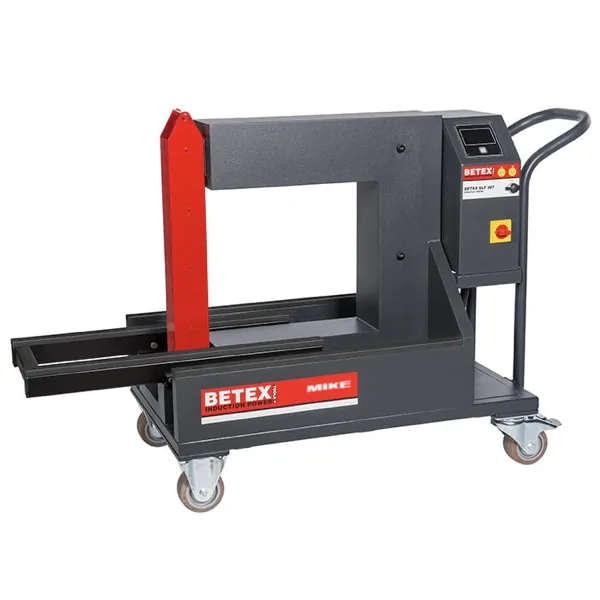
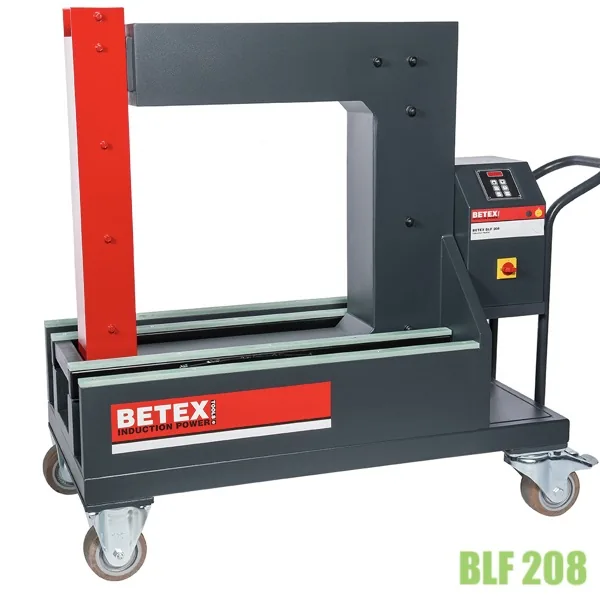
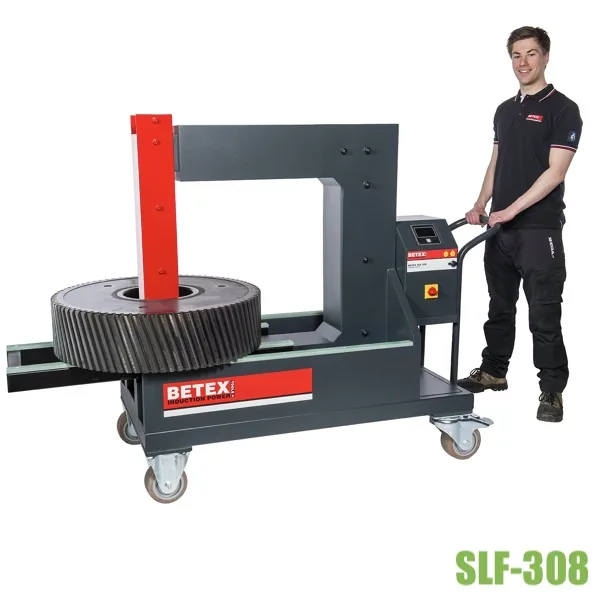
Bearing induction heaters are used for the installation and maintenance of bearings and gears. They are also used for sprockets and bushings. They serve many other mechanical components in industrial environments. Induction heating reduces the mechanical force applied. This approach maintains accuracy during assembly. It also supports mounting and dismounting of workpieces with tight tolerances. This equipment group is highly varied. Portable models rated 725W suit small bearings. Stationary 40kVA units handle components weighing up to 1600kg. Manufacturers such as Schaeffler offer Basic and Smart ranges with outside diameters from Ø180mm to Ø1700mm, and supply voltages from 120V to 600V depending on the market. Betex distributes genuine models 24 XLDi, BLF 200, BLF 208 and SLF 302 with warranty, technical support and clearly stated origin from the manufacturer.
A bearing induction heater is specialised equipment. It is used in the installation and maintenance of bearings and gears. It is also used for sprockets, bushings and other mechanical components. In industry, bearing heating helps maintain accuracy during installation. It reduces the risk of damage caused by mechanical force. At the same time, it supports mounting and dismounting of high-precision components.
The bearing induction heater ranges currently available differ in power rating, size and features. Some units are designed for mobile applications, while other models suit fixed installation in the workshop. Depending on the application, users can select machines rated from 725W to 40kVA. This covers requirements from heating small bearings. Through to components weighing up to 1600kg.
A bearing induction heater is normally built around main components such as the heating unit, yokes, temperature sensors and a control panel. Schaeffler CHU and Schaeffler CHC have a cone-shaped or tower-shaped construction. They suit bearings with a maximum outside diameter of 305mm. Workpiece weight ranges from 5 to 7kg. These ranges are typically used in applications requiring fast and even heating of components with particular shapes.
Models handling workpieces from 600mm to 1700mm and up to 1600kg include:
These units generally have high power ratings, from 8kVA to 40kVA. They run on a 3-phase supply. They cover heating requirements for components of large size and weight. Applications include production plants and industrial equipment maintenance.
Some machines such as the Schaeffler 24 XLDi do not use yokes. This machine suits applications heating bearings or gears. The maximum outside diameter is 180mm. The Schaeffler BLF 200 is a portable model rated 2.3kVA. Maximum workpiece weight is 20kg. The machine comes with several different yokes. This provides flexibility for use at various locations within the workshop.
Many current bearing induction heater ranges are equipped with modern temperature control features. For example, the SLF 301 Smart and SLF 302 include a touch screen. The SLF 303 and SLF 304 also have this feature. These models control two independent temperature channels. This allows temperature at several positions on the workpiece to be monitored and adjusted during heating. Some units also have a function comparing the temperature difference. This function compares two points on the component. As a result, the heating process is controlled more precisely.
Temperature control plays an important role during bearing heating. It helps ensure the component is not overheated or heated unevenly. This maintains the quality and service life of the bearing. It also protects the related components. Models meeting defined temperature control requirements include:
The current bearing induction heater range includes many models with differing technical characteristics. Schaeffler CHU and Schaeffler CHC are cone-shaped ranges, suited to heating small and medium-sized bearings. Schaeffler BLF 200, BLF 201, BLF 202 and BLF 203 are portable or bench-top models.
High-power models for workpieces up to 1700mm and 400-1600kg include:
Some units are designed to be mobile on a trolley, making movement around the workshop convenient.
Smart models with a touch screen and two independent temperature control channels include:
Bearing induction heaters are used in installation and maintenance procedures for bearings, gears and mechanical components in industry. Depending on the application, users can select a model with a suitable power rating. Workpiece size should be considered. Temperature control features should be considered. Mobility should be considered. The available ranges cover a variety of heating requirements. From small and medium bearings to large, heavy components. Applications include production plants and industrial equipment maintenance.
To select a suitable bearing induction heater, the workpiece size must be defined. The workpiece weight must be defined. The temperature control requirements must be defined. The operating conditions in the workshop must be defined. Reviewing the detailed technical specifications of each model helps in reaching a decision that matches actual requirements. If you need further information on any of the ranges, please get in touch for more detailed advice.