Air-driven hydraulic pump
 Bearing splitter set
 Electric hydraulic pump
 Handheld induction heaters
 Handheld meter
 Hydraulic accessories
 Hydraulic bottle jack - TOE
 Hydraulic cylinders
 Hydraulic flange spreader
 Hydraulic hand pumps
 Hydraulic lifting
 Hydraulic Nut Splitters
 Hydraulic nuts
 Hydraulic presses
 Hydraulic puller accessories
 Hydraulic pullers
 Hydraulic spreaders
Induction heater accessories
 Lubrication Systems
 Manual pullers
 Middle Frequency Heater
 perma Accessoties
 Schaeffler Impact
 Schaeffler Induction
 Schaeffler MP50 expanders
 Shaft Alignment
 Shims sets
 Ultra high pressure pump
The hydraulic cylinders gathered here cover the single-acting and double-acting jack ranges from Schaeffler. Powder-coated steel bodies and aluminium alloy bodies are both present in the group. NSSS returns by spring, with capacities from 4.5 to 100 tons. NSCS works at a maximum pressure of 700 bar. NSLS belongs to the low-height jack family, with strokes of 6 to 17 mm. NDAH and ADHC have a hollow plunger and are used for both pushing and pulling.
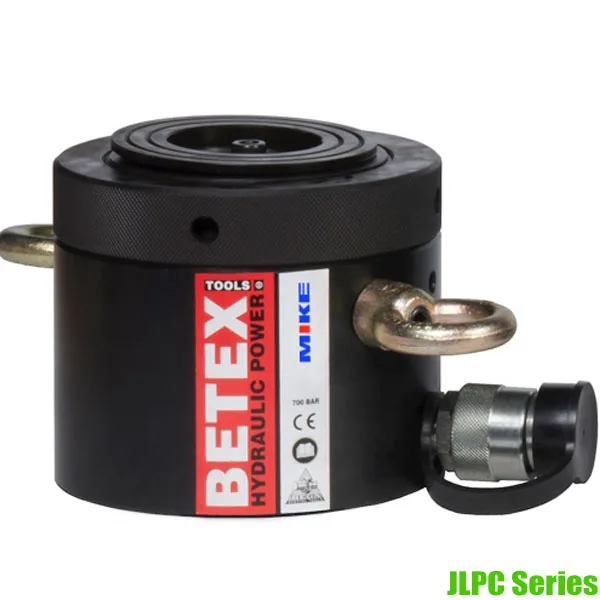
JLPC hydraulic jacks span capacities from 60 to 520 tons. The content below examines return mechanisms by spring, by load and by oil. Selection by capacity, stroke and installation space is also set out. These hydraulic cylinder ranges suit machine building, site construction and maintenance workshops, and are distributed as genuine products.

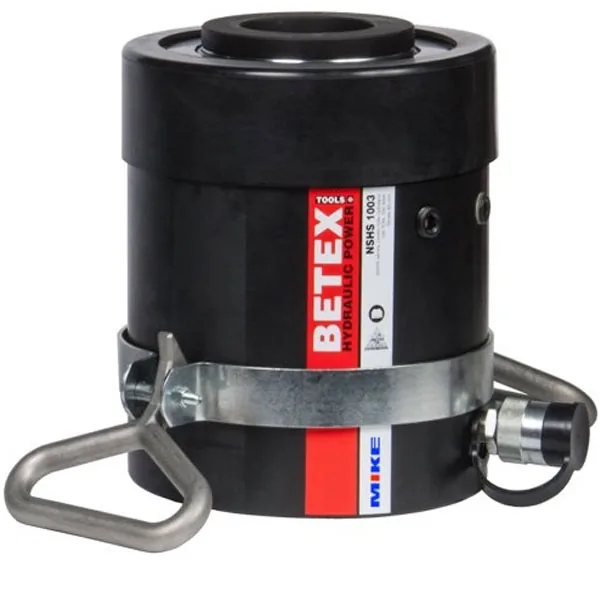
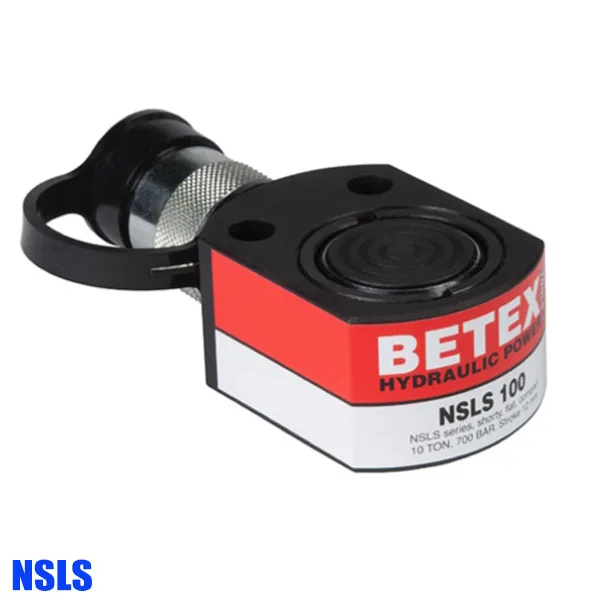
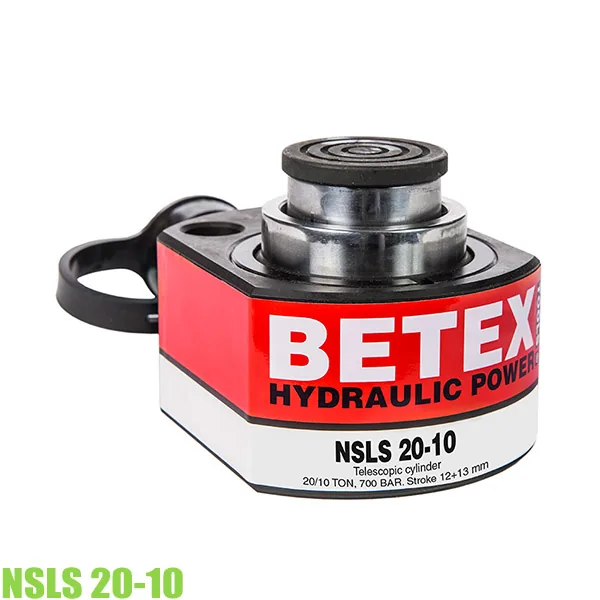
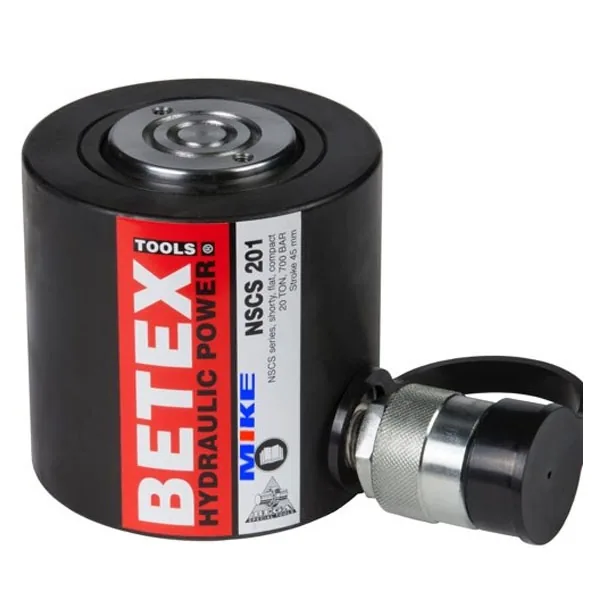
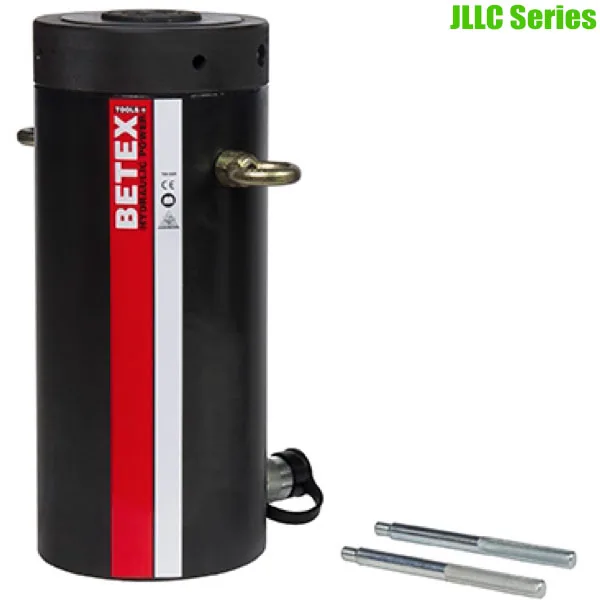
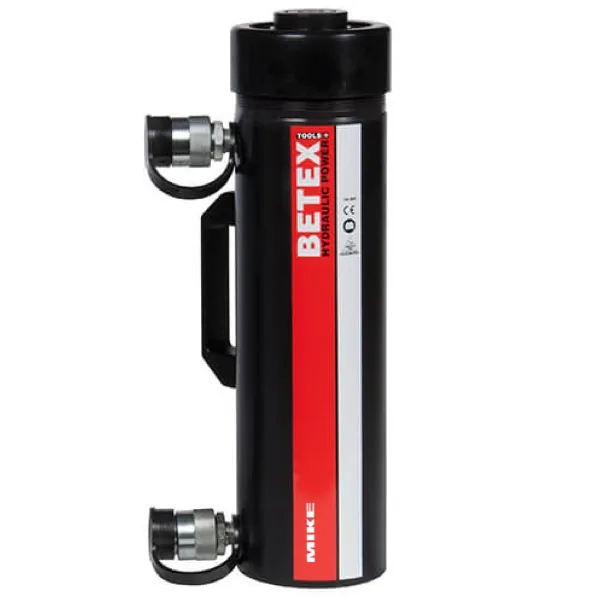
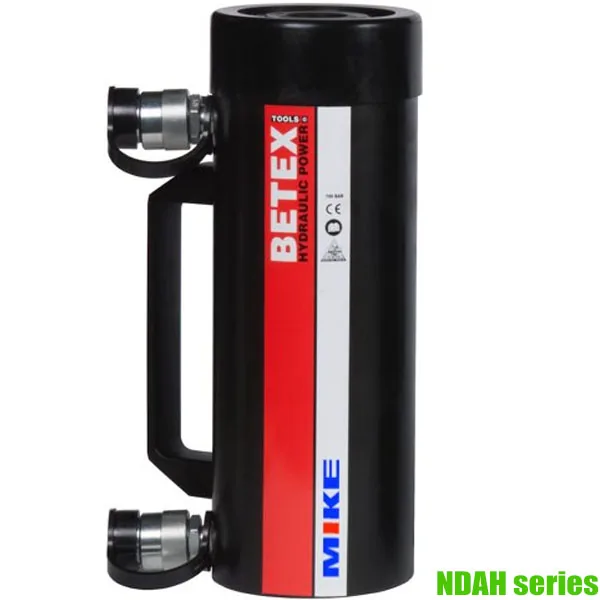
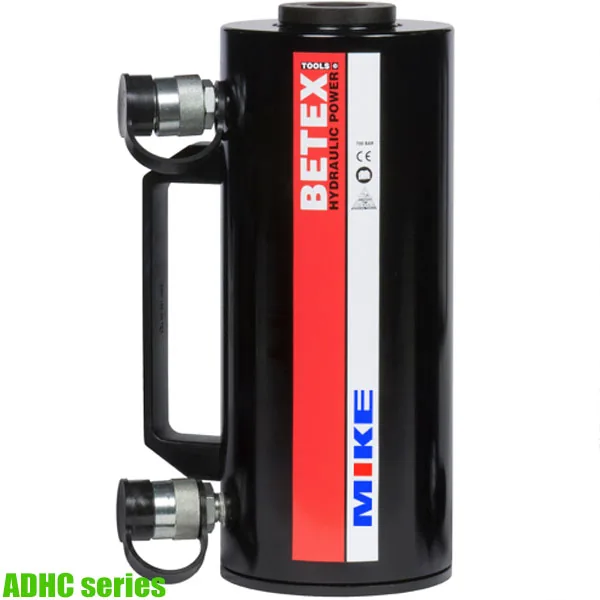
The hydraulic cylinders gathered here cover the single-acting and double-acting jack lines from Schaeffler. Both powder-coated steel bodies and aluminium alloy bodies appear in the group. NSSS returns by spring, with capacities from 4.5 to 100 tons. NSCS works at a maximum pressure of 700 bar. NSLS belongs to the low-profile family, with strokes of 6 to 17 mm. NDAH and ADHC have a hollow plunger, used for both pushing and pulling.
JLPC hydraulic jacks span capacities from 60 to 520 tons. The content below examines return mechanisms by spring, by load and by oil. How to select by capacity, stroke and installation space is also set out. These hydraulic cylinder lines suit machine building, site construction and maintenance workshops, and are distributed as genuine items.
Hydraulic cylinders serve lifting, pushing, pulling and pressing work in industry, construction and machine building. The product group here includes Schaeffler's single-acting and double-acting jack lines. Some bodies are powder-coated steel, others are aluminium alloy. Several models are bored with a hollow plunger so a pulling rod can pass through. Users select according to capacity, stroke and installation space.
The return mechanism also sets the lines apart. Spring-return jacks retract the piston by themselves after the pressure is released, which makes the operation quick and compact. Load-return jacks need the weight of the object pressing on the piston to retract. Double-acting jacks retract with oil, so both directions are actively controlled. Each mechanism suits a different type of work.
The powder-coated steel body line covers most of the demand in equipment manufacturing and site construction. Models in this group differ in return mechanism, plunger head type and capacity range. Some have a safety steel collar to lock the stroke. Some come with threads already machined at the cylinder head, convenient for fitting into machine structures built by the user.
NSSS returns by spring, with capacities from 4.5 to 100 tons. The cylinder head is machined with an external thread and a threaded hole, so it is often used in equipment fabrication. NSCS is also single-acting with spring return and a powder-coated steel body. The maximum working pressure of NSCS reaches 700 bar, with a maximum capacity of 100 tons.
JLLC returns by load, has a powder-coated steel body and a safety steel collar that prevents dropping when oil leaks. This line is used on large projects where many jacks must be operated at the same time. JLPC belongs to the low-profile cylinder family, with capacities of 60 to 520 tons and load return. The jack head has a guiding disc and the body carries a safety collar to lock the stroke.
An aluminium alloy body reduces weight compared with a steel jack of the same capacity. This matters when a crew has to carry the jack to height or move constantly between positions. The aluminium-body group in this collection includes both solid-plunger and hollow-plunger types. The return mechanism still follows the two familiar forms: spring and load return.
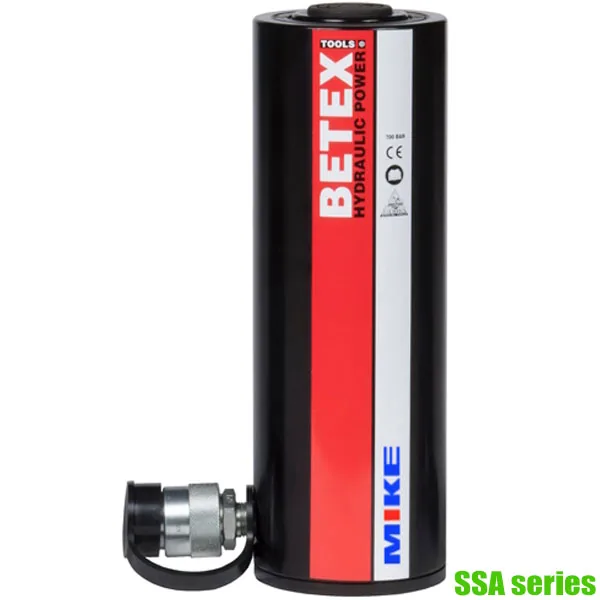
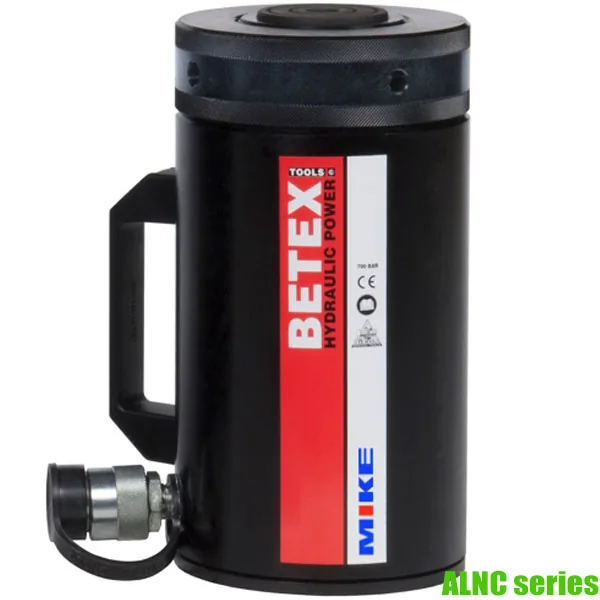
SSA has an aluminium alloy body, with a weight 30% lower than the steel version. The rated capacity of SSA ranges from 50 to 100 tons, at 700 bar. ALNC also uses an aluminium body, is single-acting and returns by load. This line targets lifting and pushing work in industrial environments.
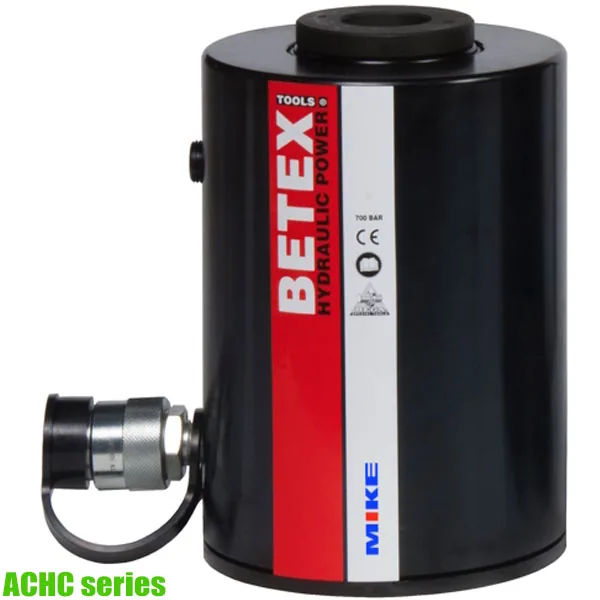
ACHC combines an aluminium body with a hollow plunger and spring return. The capacity of ACHC lies between 30 and 60 tons. The stroke varies from 50 to 150mm depending on the specific model. The weight of this line is only half that of a jack with the same capacity. That is a point worth considering when the work calls for repeated operations within a shift.
Double-acting jacks use oil for both the pushing stroke and the retracting stroke. Thanks to this, the operator actively controls the piston in both directions. This group suits cases where the lifted object is not heavy enough to push the piston back, or where an active pulling force is needed. The pulling capacity is always lower than the pushing capacity because the force-generating area of the piston on the pulling side is smaller.
NDAH has a hollow plunger and an aluminium body with an electrochemical nitride coating against scratching. The capacity lies between 30 and 100 tons, with a working pressure of 700 bar. The hollow plunger bore diameter differs from model to model. ADHC uses an aluminium alloy body, also with a hollow plunger, serving both pushing and pulling work.
NDAC uses a steel body, belongs to the push-pull type and targets active lifting and lowering. This line is usually chosen when building presses, lifting bridges or lift tables. The cylinder head is machined with both internal and external threads, so it fits easily into self-built structures. These features bring NDAC into the equipment design stage rather than stand-alone lifting work.
The initial gap between two components is sometimes only a few tens of millimetres. In that case a cylinder with a small closed height is needed, commonly called a low-profile jack. In addition, work such as pulling bushings, pulling pins or drawing shafts needs a hollow plunger so a rod can pass through. This product range offers both design types across many capacity levels.
NSLS has capacities from 5 to 150 tons depending on the model, with strokes from 6mm to 17mm. The small closed height allows the jack to be placed into a narrow initial gap. NSLS- is the two-stage version, with capacities of 5 to 20 tons and strokes of 12 to 13mm. The two-stage design allows work in tight spaces with a longer stroke.
NSHS is single-acting and has a hollow plunger, also known as a puller jack. Mechanics often use this line to build pullers for components of excavators, bulldozers and diggers. When a pulling operation is required while keeping the assembly compact, the hollow plunger lets the rod pass through the jack body.
The first step is to determine the required capacity and the piston stroke that must be achieved. Then consider the installation height to know whether a low-profile cylinder is necessary. If the work requires active pulling, choose a double-acting line. If a rod must pass through the jack body, choose a model with a hollow plunger. Whether to take an aluminium or steel body is decided by the actual carrying conditions.
You can open each model page to see detailed specifications by code. Every page states the capacity range, the stroke and the particular features of that line. When you need to compare two closely related configurations, contact the technical department for support in choosing the code that matches your specific job.